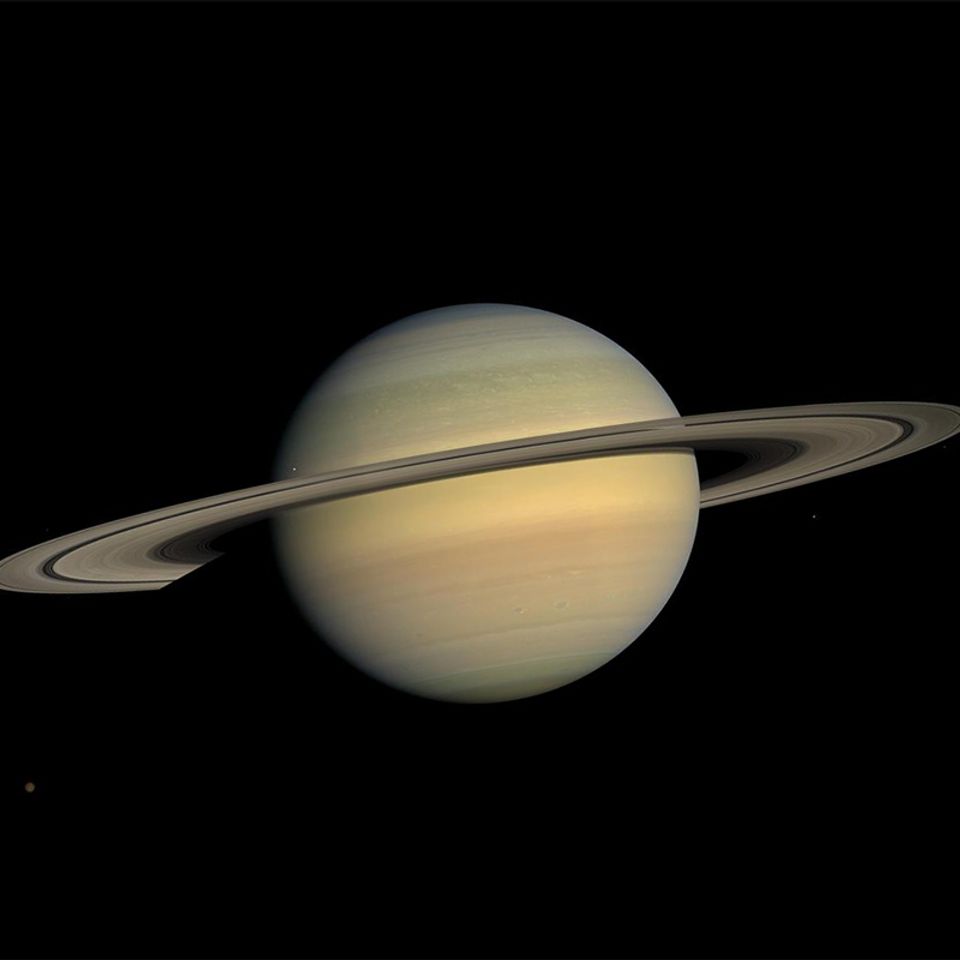
Planet Venus
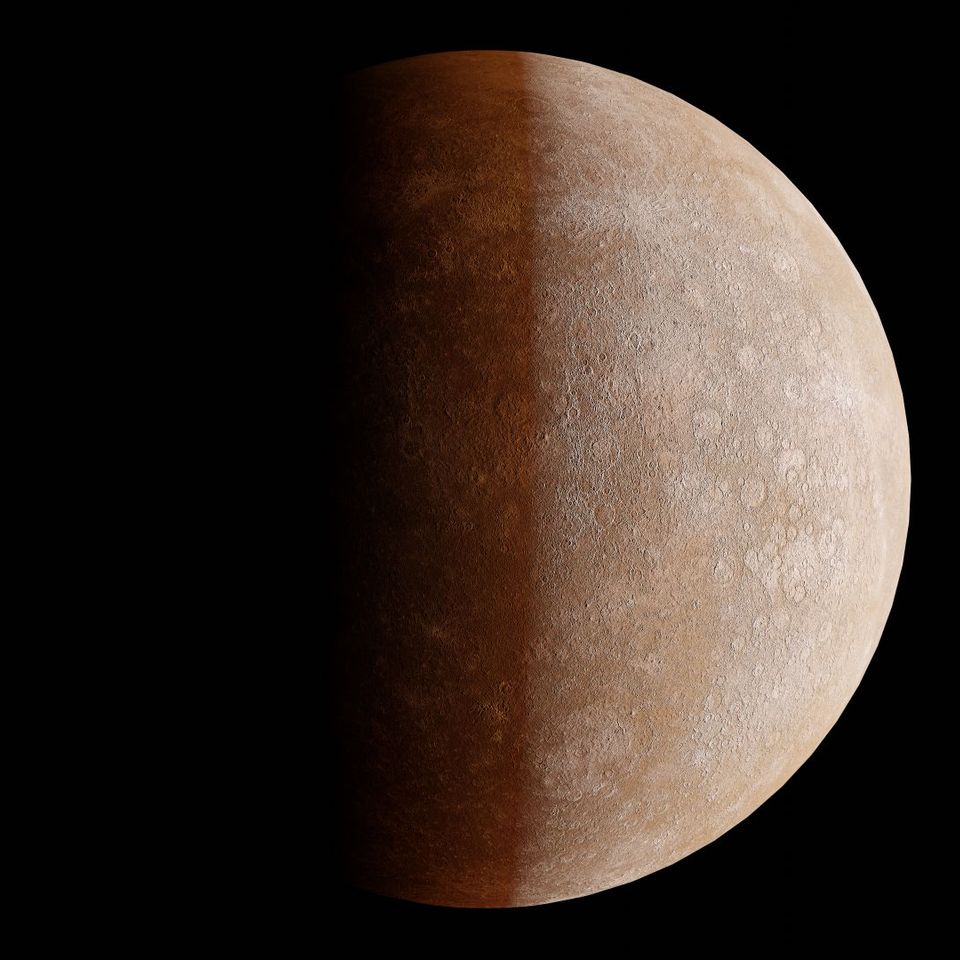
Venus: Dominates the western twilight sky shortly after sunset. It reaches its greatest distance from the Sun on August 15, shining as a brilliant "Evening Star" in the constellation Virgo.
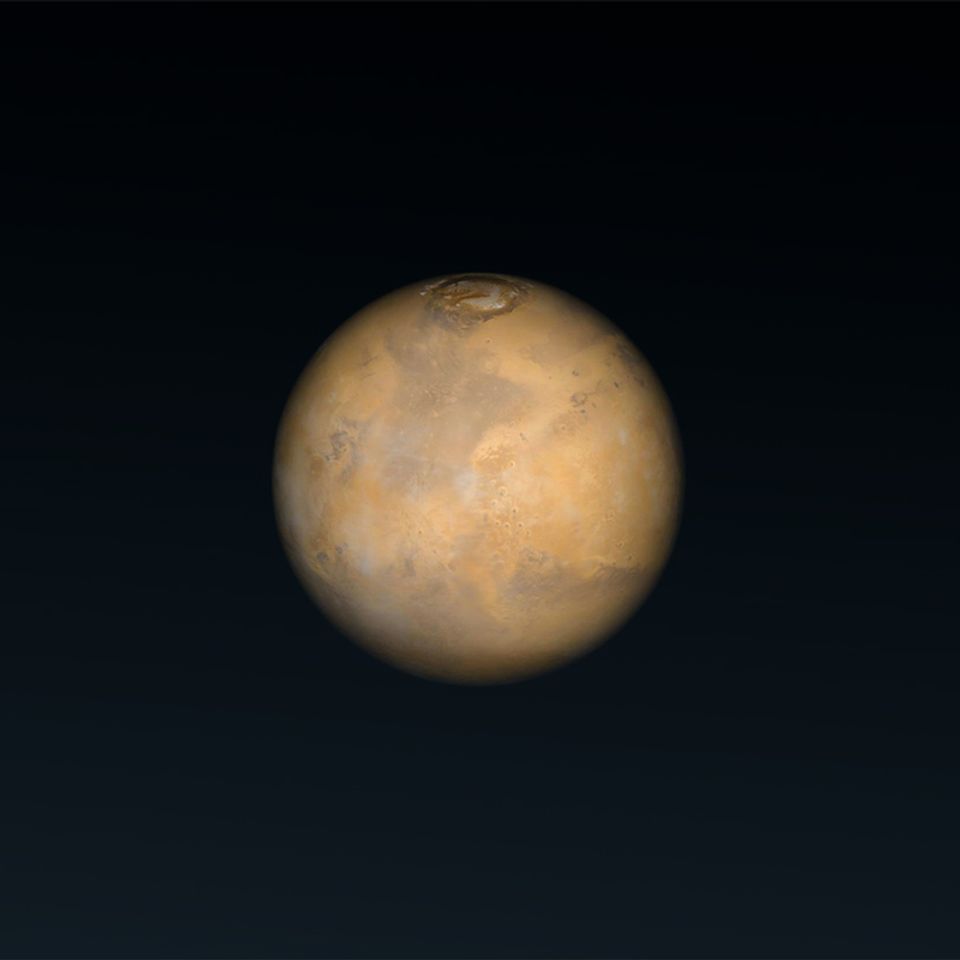
Planet Mars
Mars: Rises a few hours before dawn, steadily climbing and brightening in the eastern sky as it moves into the constellation Gemini.
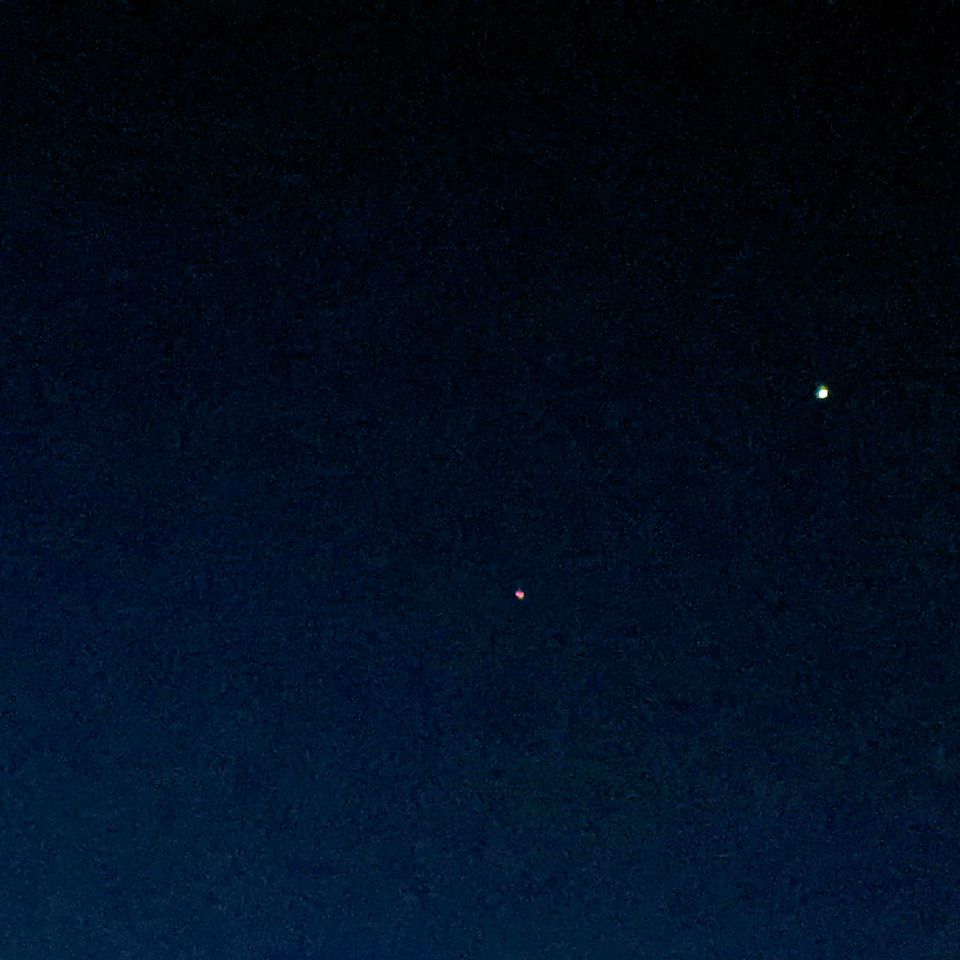
Planet Jupiter
Jupiter: Becomes visible in the second half of the month. Look very low on the eastern horizon right before sunrise. On August 15, it will appear exceptionally close to Mercury.
September 6
Moon & Mars Conjunction
The waning crescent moon passes very close to Mars in the morning sky.
Moon & Mars Conjunction
The waning crescent moon passes very close to Mars in the morning sky.
September 8
Lunar Occultation of Jupiter
The moon passes directly in front of Jupiter, hiding it from view (an occultation) across parts of North America, Greenland, and Russia.
September 11
New Moon
The moon is completely dark, creating perfect conditions for stargazing and viewing faint deep-sky objects like the Andromeda Galaxy.
New Moon
The moon is completely dark, creating perfect conditions for stargazing and viewing faint deep-sky objects like the Andromeda Galaxy.
September 14
Moon & Venus Conjunction
The moon is completely dark, creating perfect conditions for stargazing and viewing faint deep-sky objects like the Andromeda Galaxy.
September 19
Venus Reaches Greatest Brilliancy
Venus shines at the brightest and most magnificent phase of its entire evening appearance.
September 23
September Equinox
Occurring at 00:06 UTC, the sun shines directly on the equator, bringing nearly equal day and night worldwide. This marks the official start of autumn (Fall) in the Northern Hemisphere and spring in the Southern Hemisphere.
September 25
Neptune at Opposition
The blue ice giant will be at its closest point to Earth and fully illuminated by the sun. While still too dim for the naked eye, this is the absolute best night of the year to find it using a telescope or high-powered binoculars.
September 26
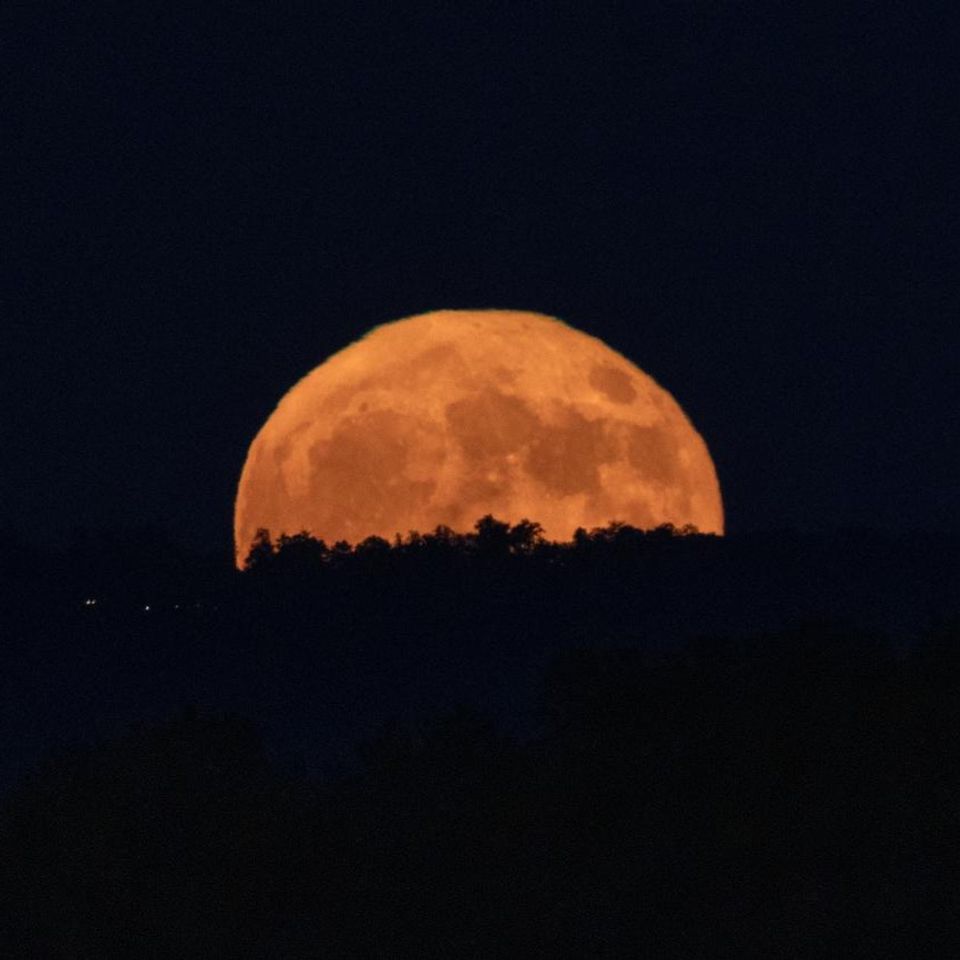
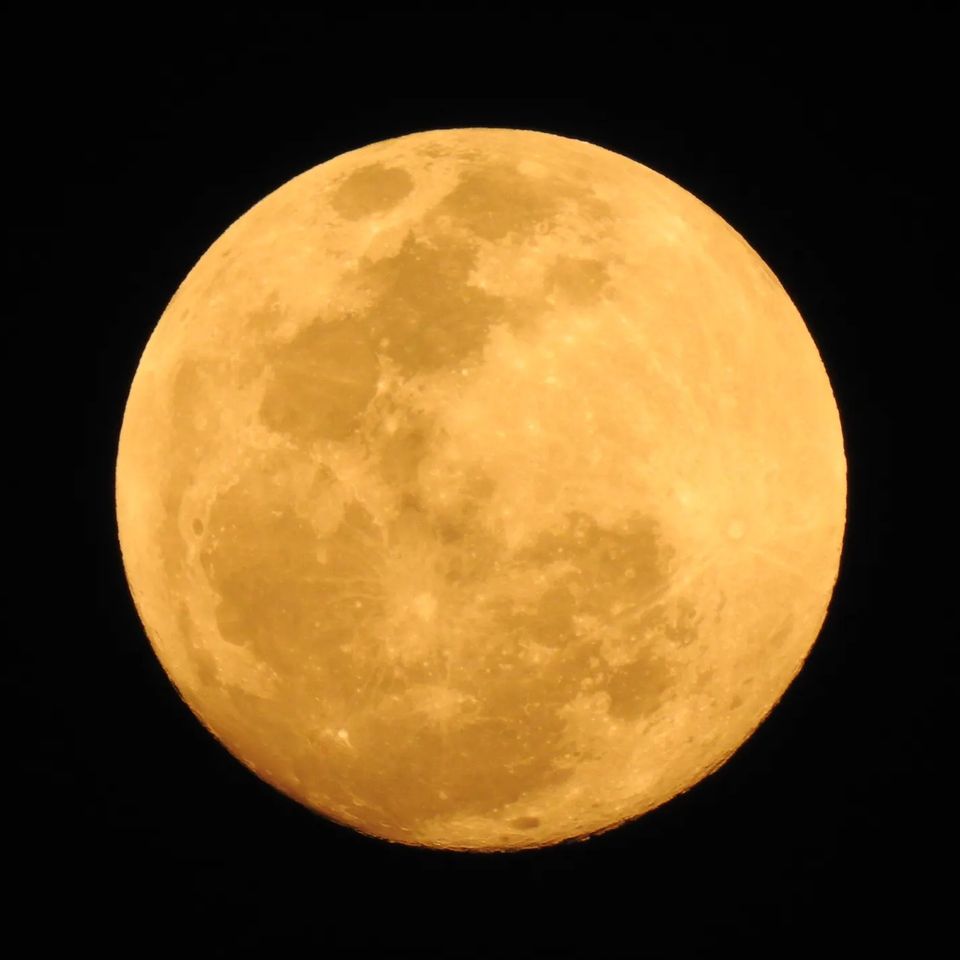
Full Harvest Moon
The full moon closest to the autumn equinox will light up the night sky.